How to Upscale Gemini Images for Print
Gemini — and its Nano Banana image models — renders beautiful art in 1K, 2K, or 4K tiers. Here's what each tier actually prints at 300 DPI, why even 4K runs out at wall-art sizes, and how to turn one export into every print-ready file.
Max sharp print at 300 DPI (2:3 image)
Longest side of a 2:3 Gemini export vs. the biggest frame it fills at full print sharpness. Sizes per Google's API docs.
Quick Answer
How do you upscale a Gemini image for printing?
What Gemini Actually Outputs vs. What Prints Need
Per Google's Gemini API documentation (mid-2026), image output comes in three tiers. For a 2:3 image — the classic poster ratio — that means 848×1,264px at 1K (the default), 1,696×2,528px at 2K, and 3,392×5,056px at 4K. A sharp print needs 300 dots per inch, so those tiers cover roughly 4.2, 8.4, and 16.9 inches on the long side. A 24×36 poster needs 7,200×10,800px — beyond every tier. The full pixel targets are on our print sizes at 300 DPI reference.
Two practical catches. First, the app you use matters: users report the consumer Gemini app often saves smaller files than the API's maximum — always check your downloaded file's actual dimensions. Second, regenerating at a higher tier is a new generation, not an enlargement of the image you picked — the artwork changes. To keep the exact art and add pixels, upscale the file you have. If you sell digital art, those targets are what buyers' print shops expect — more in our resolution guide for printables.
The 3-Step Gemini Print Workflow
Generate at a print-friendly ratio, highest tier
Ask for a 2:3, 3:4, or 4:5 aspect ratio so your composition starts close to a real frame family — the five standard print ratios cover nearly every frame sold. Use the highest resolution setting available, then check the saved file's actual dimensions.
Upscale to a master file
Run the export through AI Upscale — pick your largest target size and it applies the right multiplier, up to 8× (per-size table below). Unlike regenerating at a higher tier, this enlarges the exact image you chose: same art, more pixels.
Export every print size
Upload the master once and export every frame size and ratio pack at 300 DPI. If a size needs a different crop than your generation, Perfect Fit lets you choose exactly which part of the artwork each ratio keeps — no stretching, full control over the composition.
AI Upscale — built into SnapToSize
NewReal-ESRGAN upscaling in your browser — no install. Take a Gemini export to print resolution, then chain the master straight into Size Packs or Perfect Fit in the same workflow. Free plans include 3 upscales per month, Pro includes 100.
Real AI Upscale output — drag to compare
Genuine, unedited output from a 1,024px file — the same class as Gemini's default 1K export. Shown at 24×36 print scale: the original enlarged the way a printer would (left) vs. the AI Upscale master — 7,168×10,752px, real stroke detail instead of mush (right).
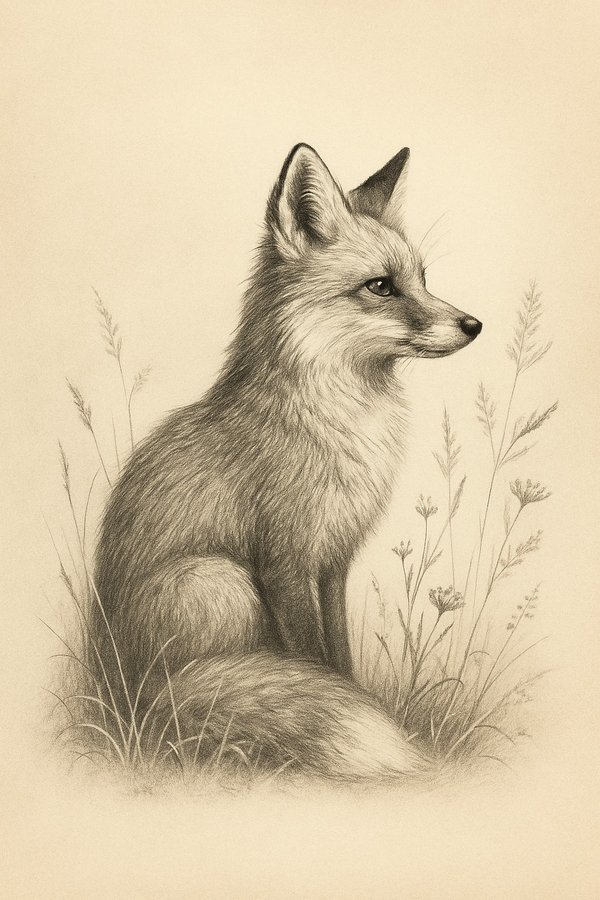
The comparison below zooms into the highlighted section of this artwork — the level of detail a printer works with at poster size.
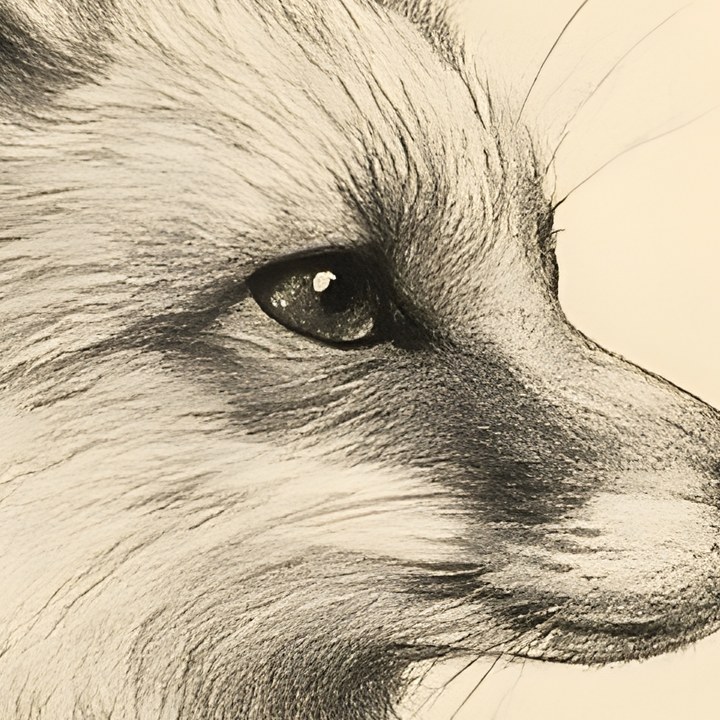
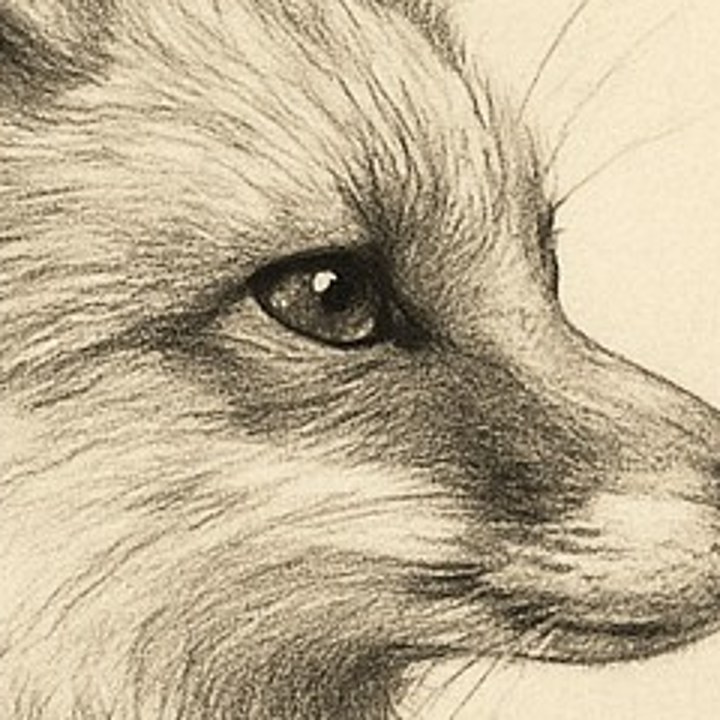
Edges and texture are redrawn at full print density instead of being stretched — and the artwork stays exactly the artwork, unlike a regeneration.
One upscaled master, every print size: real SnapToSize output
After the upscale, this is the sizing step: one high-res file exported to every ratio pack at 300 DPI, named and print-ready. Tap any print to zoom.
Got your upscaled Gemini master ready?
Upload it once and SnapToSize generates every frame size and ratio pack — named, set to 300 DPI, and under the 20MB limit.
Generate Every Size FreeNo account needed · No credit card required
How Much Should You Upscale? (Per-Size Table)
Work backwards from the largest size you'll offer. The table assumes a 2K Gemini export (2,528px on the long side of a 2:3 image) — check your file's actual dimensions and upscale until they meet or slightly exceed the pixel target. Going far past your biggest size only adds file weight.
| Print size | Pixels needed at 300 DPI | Upscale from a 2K export |
|---|---|---|
| 5×7 | 1,500 × 2,100 | None — 2K covers it |
| 8×10 | 2,400 × 3,000 | 2× |
| 11×14 | 3,300 × 4,200 | 2× |
| 16×20 | 4,800 × 6,000 | 3× |
| 24×36 | 7,200 × 10,800 | 5× — full 300 DPI even at poster size |
Rule of thumb: 2× covers the small frames, 3× covers 16×20, and 5× reaches poster sizes at full 300 DPI. SnapToSize picks the multiplier from your target size automatically — one clean pass to the resolution you need beats stacking repeated upscales. From the default 1K export, roughly double each step; from a 4K export, only the largest wall-art sizes need a pass at all.
Selling Your Gemini Art on Etsy?
Printable wall art is one of the most natural markets for Gemini work — and it raises the bar on file prep, because buyers print at whatever size their frame demands. The standard listing offers every common frame size up front. Our AI art for Etsy prints guide walks the full seller workflow, and AI art print sizes for Etsy covers which sizes and ratios AI art listings actually need.
The short version: generate on a print ratio at the highest tier, upscale once to a master, export the standard ratio packs at 300 DPI, and keep every delivered file under Etsy's 20MB limit — SnapToSize does the sizing, naming, and packaging automatically. Working from Midjourney or ChatGPT instead? The Midjourney print guide and ChatGPT print guide have those tools' exact numbers.
Upscaled once. Every print size in seconds.
Upscale your Gemini export in the browser, then let SnapToSize turn the master into every print-ready file from a single upload.
Try SnapToSize FreeGemini Print Questions, Answered
It depends on the resolution tier. Per Google's Gemini API documentation, a 2:3 image is 848×1,264px at the default 1K setting — about a 4.2 inch print at 300 DPI. 2K (1,696×2,528px) reaches about 8.4 inches, and 4K (3,392×5,056px) about 16.9 inches on the long side. For standard frame sizes like 16×20 and 24×36, every tier needs an upscaling pass first.
For mid-size frames, often yes — 4K covers an 11×14 comfortably. But the math runs out at wall-art sizes: a 24×36 poster needs 7,200×10,800px at 300 DPI, and Gemini's 4K tops out around 5,056px on the long side of a 2:3 image — roughly 140 DPI at that size. Also note many users report the consumer Gemini app saves smaller files than the API's maximum, so check your actual file's dimensions before trusting the label.
You can — but regeneration creates a new image, not a faithful enlargement of the one you picked. Details, textures, and composition shift with every generation, which matters when a buyer already saw the exact artwork in your listing. A dedicated AI upscaler like SnapToSize's built-in AI Upscale (Real-ESRGAN) enlarges the file you already have, keeping the art identical while adding the pixels large frames need.
Work backwards from your largest print. From a 2K export (2,528px long side), 2× covers 8×10 and 11×14, 3× covers 16×20, and 5× reaches full 300 DPI for 24×36. SnapToSize's AI Upscale does this math for you: pick your target print size and it applies the right multiplier (up to 8×) automatically. Starting from the default 1K export, roughly double each step — or regenerate once at a higher tier first, then upscale.
Modern AI upscalers reconstruct edges and texture rather than stretching pixels, so a clean single pass keeps flat colors, line work, and painterly styles crisp. Two habits protect quality: save the highest-resolution export Gemini gives you, and upscale once to your target size rather than stacking repeated passes.
Google's terms let you use content you generate with Gemini, including commercially — check the current terms for your plan and country. On the Etsy side, be transparent about AI tools in your listings per Etsy's creativity standards, and deliver buyer-ready files: every common frame size at 300 DPI, packaged under Etsy's 20MB per-file limit. SnapToSize generates that full set from your upscaled master in one export.
Related: How to Upscale AI Art for Etsy Prints · AI Art Print Sizes for Etsy · How to Upscale Midjourney Images for Print · How to Upscale ChatGPT Images for Print · Midjourney vs ChatGPT for Etsy Printables · Print Sizes at 300 DPI
Free tool: Print Size Calculator — check any image against 30 sizes instantly